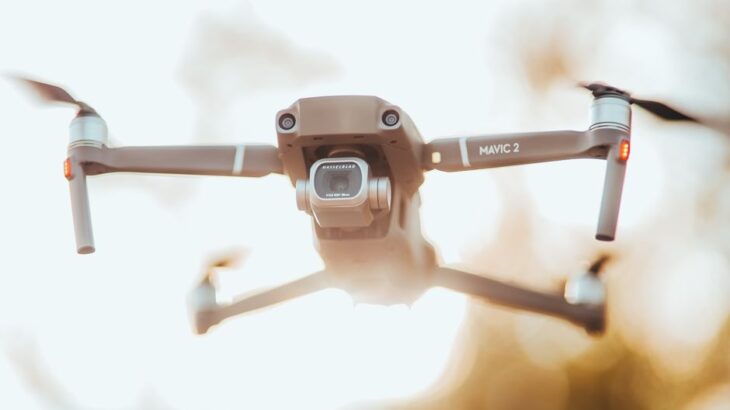
The evolution of drone technology has significantly impacted various industries, with gas-powered industrial drones emerging as a robust solution for demanding applications. Unlike their electric counterparts, these drones leverage internal combustion engines to deliver extended flight times, higher payload capacities, and enhanced operational flexibility. This makes the gas-powered industrial drone an indispensable tool in sectors such as infrastructure inspection, security, and surveillance, where endurance and power are critical.
Extended Flight Duration and Power
One of the foremost advantages of gas-powered industrial drones is their ability to sustain longer flight durations. While battery-powered drones typically operate for 20-40 minutes, gas-powered models can fly for several hours on a single tank of fuel. This extended endurance is crucial for large-scale commercial operations that require continuous data collection or surveillance without frequent interruptions for recharging.
Moreover, the internal combustion engines provide greater thrust and power, enabling these drones to carry heavier and more sophisticated payloads such as high-resolution cameras, LiDAR sensors, and thermal imaging devices. This capability enhances their effectiveness in complex industrial environments.
Robustness and Operational Versatility
Gas-powered industrial drones are engineered to perform reliably in harsh conditions. Their fuel-based engines are less affected by temperature extremes compared to batteries, which can suffer from reduced efficiency in cold weather. This reliability makes them ideal for outdoor applications including agriculture, forestry, and infrastructure maintenance.
Additionally, these drones are often equipped with advanced navigation systems and multiple redundancy features, ensuring safe operation during extended missions. Their rugged airframes and powerful engines allow them to operate in windy or turbulent environments where electric drones might struggle.
Applications in Infrastructure and Security
The utility of gas-powered drones extends across various industrial sectors. In the realm of infrastructure, they are widely used for tasks such as pipeline monitoring, power line inspections, and large-scale agricultural surveys. Their ability to cover vast distances quickly and carry specialized sensors makes them valuable assets for comprehensive asset management.
An example of specialized applications includes bridge inspection drone solutions by Acecore, which utilize gas-powered drones to provide detailed structural assessments. These solutions enable inspectors to access hard-to-reach areas safely and efficiently, reducing the need for costly manual inspections and minimizing downtime.
Beyond infrastructure, these drones play a vital role in security and surveillance. Their extended flight times and payload capacities allow for continuous monitoring of critical sites, enhancing situational awareness and threat detection capabilities.
Comparing UAV vs Drone in Industrial Use
In common discourse, the terms UAV (Unmanned Aerial Vehicle) and drone are often used interchangeably. However, in industrial contexts, UAV refers more specifically to the aircraft itself, while drone can imply a broader system including ground control and payload. Gas-powered industrial drones often come as complete UAV systems designed for specific commercial drones operations.
The distinction is important when selecting technology for specialized tasks such as drone inspection or drone utility inspection, where the integration of sensors, data transmission, and flight control must be tailored precisely. Gas-powered UAVs provide the power and endurance necessary for these demanding roles, differentiating them from smaller electric drones commonly used for recreational or short-range purposes.
Key Features at a Glance
- Extended flight time: Capable of flying for several hours without refueling.
- High payload capacity: Supports heavy and diverse sensor arrays for detailed data collection.
- Durability: Built to operate efficiently in challenging weather and environmental conditions.
- Operational range: Suitable for covering large geographic areas without interruption.
- Versatility: Applicable in surveillance drone operations, infrastructure inspection, and security tasks.
- Fuel efficiency: Optimized engines that balance power output with fuel consumption.
Driving the Future of Industrial Drone Operations
Gas-powered industrial drones continue to push the boundaries of what unmanned aerial technology can achieve in commercial and industrial settings. Their unique combination of endurance, power, and adaptability makes them a preferred choice for long-duration missions and heavy-duty applications. As industries demand more comprehensive and reliable drone inspection and security solutions, these drones stand at the forefront, transforming how businesses approach aerial data collection and operational efficiency.